The Ultimate Guide to Creating a Comfortable, Healthy, Energy-Efficient Home
When homeowners think about comfort, they usually focus on one thing: the thermostat. If the house feels too hot or too cold, they adjust the temperature and hope for the best. But true home comfort and indoor air quality in Austin, TX, is about much more than your HVAC system alone.
Your home’s insulation, air filtration, humidity levels, ductwork, and indoor air quality all work together to create a comfortable living environment. If one piece isn’t performing properly, your HVAC system has to work harder, your utility bills increase, and your home may still feel uncomfortable.
Whether you’re dealing with excessive dust, allergy symptoms, uneven temperatures, or rising energy costs, improving your home’s overall efficiency can make a noticeable difference.
In this guide, we’ll explain the key factors that affect comfort and show you practical ways to improve indoor air quality in Austin, TX, increase energy efficiency, and help your HVAC system perform at its best.
What Makes a Home Comfortable?
Home comfort is a balance of a number of factors, not just temperature.
A truly comfortable home should provide:
- Consistent temperatures throughout every room
- Clean, healthy indoor air
- Balanced humidity levels
- Good airflow
- Energy-efficient heating and cooling
- Low levels of dust and allergens
When one of these factors is out of balance, your home may never feel as comfortable as it should, even if your HVAC equipment is running constantly.
Why Indoor Air Quality in Austin, TX Matters
Most people spend the majority of their time indoors, making indoor air quality an important part of maintaining a healthy home.
Poor indoor air quality can contribute to:
- Allergy symptoms
- Asthma flare-ups
- Respiratory irritation
- Excessive dust
- Musty odors
- Mold growth
- Poor sleep quality
Because modern homes are built to be more airtight than ever, pollutants can become trapped inside and continue circulating through your HVAC system.
Improving indoor air quality creates a healthier environment while helping your HVAC system operate more efficiently.
Common Indoor Air Pollutants That Affect Indoor Air Quality
Many homeowners are surprised by the number of pollutants circulating in their homes every day. Common indoor air pollutants include dust, pet dander, pollen, mold spores, and Volatile Organic Compounds (VOCs).
How Your HVAC System Affects Indoor Air Quality in Austin, TX
Your HVAC system doesn’t just heat and cool your home; it continuously circulates air throughout every room. When properly maintained, it helps remove airborne particles using filtration and keeps humidity at comfortable levels.
However, a neglected HVAC system can contribute to indoor air problems by:
- Circulating dust
- Spreading allergens
- Harboring mold in damp areas
- Reducing airflow
- Allowing contaminants to build up inside the system
Routine maintenance keeps your HVAC equipment operating efficiently while supporting cleaner indoor air.
Choosing the Right Air Filter
One of the easiest ways to improve your home’s air quality is by using the right HVAC filter. Air filters capture airborne particles before they circulate throughout your home. Different filters offer different levels of protection based on their MERV (Minimum Efficiency Reporting Value) rating.
Generally:
- Lower MERV ratings capture larger particles like dust and lint.
- Mid-range MERV ratings capture pollen, mold spores, and pet dander.
- Higher MERV ratings remove smaller particles but may restrict airflow if your HVAC system isn’t designed for them.
The best filter for your home depends on your HVAC equipment, indoor air quality goals, and household needs.
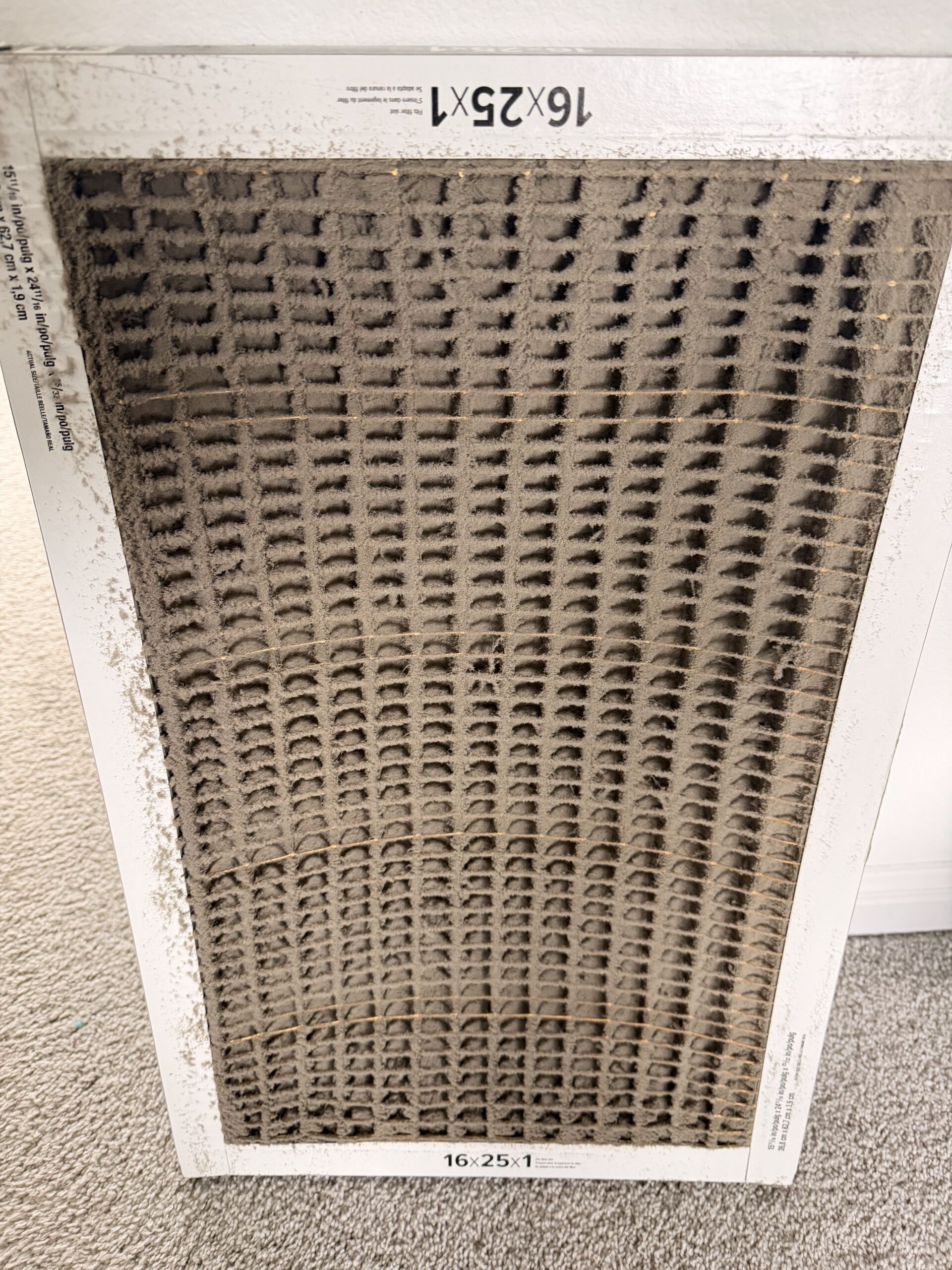
How Often Should You Replace Your Air Filter?
A dirty filter is one of the most common causes of HVAC inefficiency. Most homeowners should replace filters every one to three months. You may need to replace them more often if you:
- Have pets
- Have family members with allergies or asthma
- Live in a dusty area.
- Run your HVAC system frequently.
- Are completing home renovations
Replacing filters regularly helps improve airflow, protect HVAC components, and decrease strain on the system.
Why Insulation Is Essential for Home Comfort
Many homeowners assume uncomfortable or uneven temperatures in rooms are caused by their HVAC system. In reality, poor insulation can often be the culprit. Insulation helps slow heat transfer and keep conditioned air inside during the summer and warm air inside during the winter. Without enough insulation in your home, your HVAC system has to work harder to maintain comfortable temperatures in every room.
Signs Your Home May Need More Insulation
Your home may benefit from additional insulation if you notice:
- Hot upstairs rooms
- Drafty areas
- High energy bills
- HVAC systems running constantly
- Uneven temperatures between rooms
- Ice dams or excessive attic heat
Improving attic insulation is often one of the most cost-effective ways to increase comfort while cutting utility costs.
How Blown-In Insulation Improves Efficiency
Blown-in insulation fills small gaps and hard-to-reach spaces better than traditional batts.
Benefits include:
- Better temperature control
- Lower heating and cooling costs
- Minimized air leaks
- Improved comfort all year round
- Less strain on HVAC equipment
For many older homes, upgrading attic insulation can produce improvements almost immediately.
The Importance of Proper Airflow
Even the best HVAC system cannot perform well if airflow is restricted, and poor airflow can lead to:
- Uneven temperatures
- Increased energy use
- Poor humidity control
- Excessive equipment wear
- Longer heating and cooling cycles
Common causes of poor airflow include:
- Dirty air filters
- Closed vents
- Blocked returns
- Leaky ductwork
- Dirty blower components
Keeping airflow unblocked allows conditioned air to reach every room more efficiently.
Managing Indoor Humidity
Humidity plays a major role in how comfortable your home feels.
High Humidity
Excess humidity may cause your home feel warmer than it actually is and may contribute to:
- Mold growth
- Musty odors
- Sticky indoor conditions
- Dust mites
Low Humidity
Air that’s too dry can cause:
- Dry skin
- Static electricity
- Irritated sinuses
- Damage to wood flooring and furniture
Maintaining balanced humidity helps improve comfort as well as and indoor air quality.
Additional Ways to Improve Energy Efficiency
Creating a comfortable home goes beyond HVAC maintenance alone.
Simple improvements include:
Seal Air Leaks
Weatherstripping doors and windows helps keep conditioned air inside.
Smart Thermostat Upgrades
Programmable thermostats adjust the temperature for you based on your daily routine, so you use less energy without even thinking about it.
Schedule Routine HVAC Maintenance
Getting regular professional tune-ups helps your equipment run better and can catch small problems before they turn into costly repairs.
Keep Vents Open and Unblocked
Furniture, curtains, and rugs should never block supply or return vents.
Use Ceiling Fans
Fans improve air circulation and help your HVAC system distribute conditioned air more evenly.
Signs Your Home Is Losing Energy
Many homeowners don’t realize how much energy they’re wasting. Common warning signs include:
- Utility bills continue to increase.
- Some rooms are consistently hotter or colder.
- HVAC runs constantly
- Excessive indoor dust
- Increased indoor humidity
- Drafts near doors and windows
- HVAC equipment needs repeated repairs
Dealing with these matters early frequently leads to improved comfort and lower operating costs.
Signs It’s Time to Call a Professional HVAC Technician
While changing filters and sealing small air leaks are DIY-friendly tasks for homeowners, some fixes will require professional HVAC expertise.
A professional HVAC evaluation can identify issues that aren’t visible to homeowners, such as:
- Air duct leaks
- Poor insulation
- Airflow issues
- Aging HVAC components
- Poor indoor air quality
Depending on your home’s needs, recommended solutions may include:
- HVAC maintenance
- Air purification systems
- Whole-home humidity control
- Blown-in attic insulation
- Duct sealing
- HVAC system upgrades
These improvements work together to create a healthier, more efficient home.
Frequently Asked Questions
What is the biggest factor affecting home comfort?
Comfort depends on a number of factors working together, including temperature, humidity, airflow, insulation, and indoor air quality. Improving just one area may help, but addressing all of them creates the best results.
How often should I change my HVAC filter?
Most filters should be replaced every one to three months, though homes with pets, allergies, or heavy HVAC use may require more frequent changes.
Can insulation lower my energy bills?
Yes. Proper insulation reduces heat transfer, allowing your HVAC system to operate more efficiently and helping lower heating and cooling costs.
How can I improve indoor air quality?
Regular HVAC maintenance, quality air filters, proper ventilation, humidity control, and keeping your home clean all contribute to cleaner indoor air.
Create a More Comfortable Home with AeroDS
A comfortable home isn’t achieved with a single repair or upgrade. It’s the result of multiple systems working together, from your HVAC equipment and air filtration to insulation and indoor air quality.
At AeroDS, we take a whole-home approach to comfort. Whether you need routine HVAC maintenance, blown-in insulation, indoor air quality solutions, or help improving your home’s energy efficiency, our experienced technicians can recommend solutions customized to your home and your goals.
If your home feels less comfortable, your energy bills keep rising, or your HVAC system isn’t operating at its best, reach out to AeroDS for a professional evaluation. We’ll work with you to achieve a healthier, more comfortable, and energy-efficient home all year long.
- Blog
- Community Happenings
- Energy Savers
- Health Benefits
- How to know the problem
- HVAC Problems
- Installation
- Maintenance
- Most Popular
- Projects
- Repair Tips