The Complete Guide to HVAC Preventive Maintenance in Lakeway
Your heating and cooling system is one of the hardest-working systems in your home. Maintaining your HVAC isn’t just about keeping your home comfortable; it’s about avoiding unexpected breakdowns, reducing energy costs, and extending the life of your HVAC system in Lakeway.
In Central Texas, our air conditioners battle triple-digit temperatures in the summer, and in the winter, our heating systems occasionally have to keep us warm during single-digit temperatures. Regular HVAC preventative maintenance is one of the smartest investments you can make to ensure your HVAC is ready for anything.
Expensive HVAC repairs often start as small issues that develop into larger issues. They start as dirty coils, clogged filters, loose electrical connections, and worn components that reduce efficiency and eventually lead to large unexpected breakdowns. Fortunately, most of these problems can be prevented with routine bi-annual maintenance.
Whether you’re a new homeowner or you’ve owned your HVAC system for years, this guide explains everything you need to know about preventative HVAC maintenance, including why it matters, what it includes, how often it should be performed, and what you can do between professional tune-ups to keep your system running efficiently.
What Is HVAC Preventive Maintenance?
HVAC preventive maintenance is the routine inspection, cleaning, testing, and servicing of your heating and cooling equipment to ensure it operates safely and efficiently year-round.
Instead of waiting until something breaks, preventative maintenance focuses on identifying small problems before they become expensive repairs. Preventative checks can include:
Air Filters
Dirty filters reduce airflow and force your system to work harder. Your air filters should generally be replaced every 1 to 3 months, depending on usage, pets, and indoor air quality needs.
Refrigerant Levels
Low refrigerant levels reduce cooling performance and may indicate a leak in your system. Technicians will verify refrigerant levels and inspect the system for leaks if levels are low.
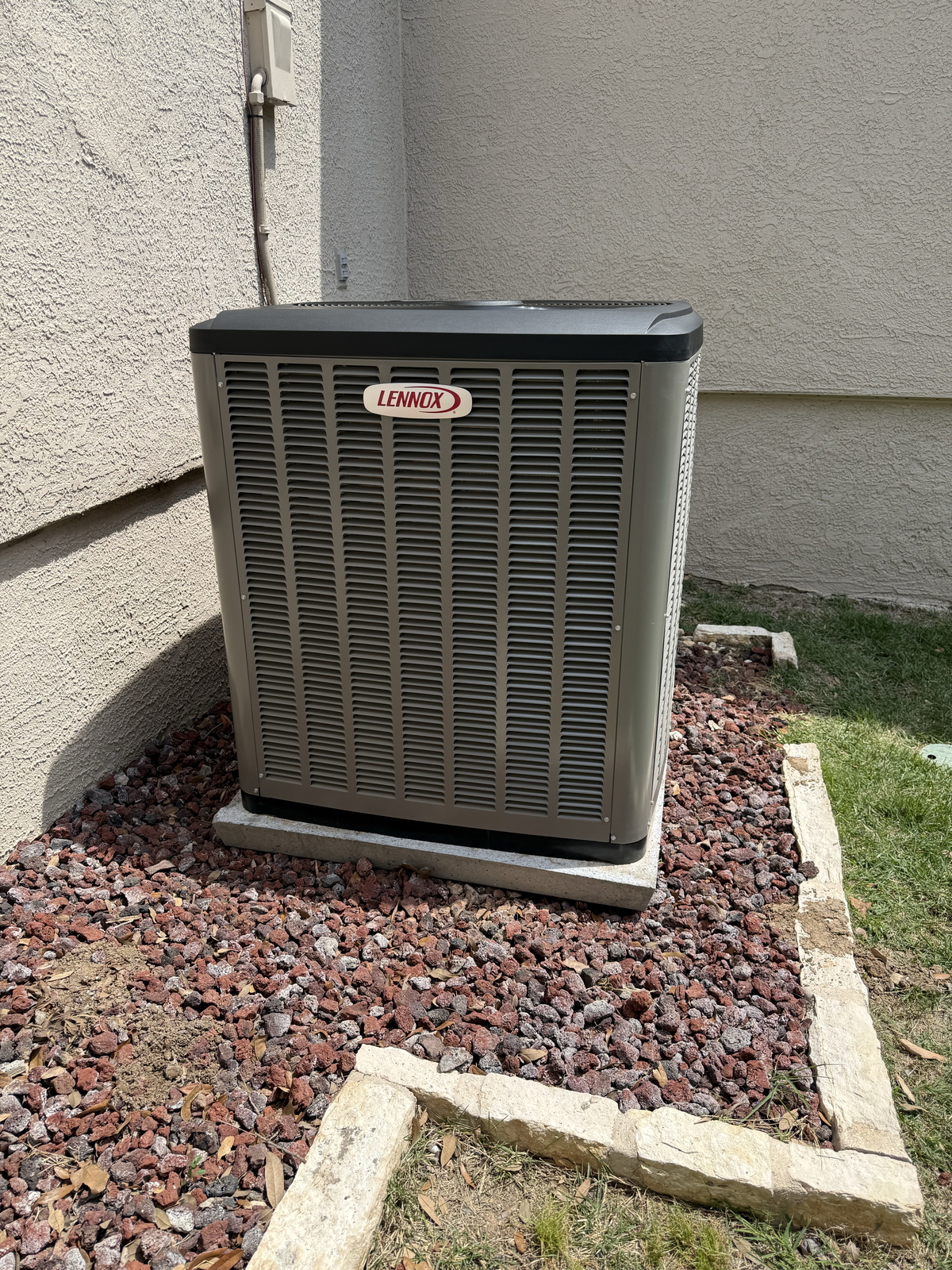
Outdoor Condenser Unit
Leaves, dirt, grass clippings, and debris restrict airflow around your outdoor unit. Cleaning the condenser helps improve cooling performance and energy efficiency.
Evaporator Coils
Indoor evaporator coils absorb heat from your home, and dirty coils reduce efficiency and can even cause frozen systems.
Condensate Drain
Clogged drain lines may lead to water leaks, mold growth, or automatic system shutdowns. Cleaning the drain helps prevent water damage and leaks.
Why HVAC Preventive Maintenance Matters
Lower Energy Bills
Dust buildup, dirty coils, and restricted airflow force your HVAC system to work harder than necessary. The harder your system works, the more energy it consumes.
Routine maintenance helps restore peak efficiency, allowing your equipment to cool and heat your home using less energy.
Fewer Surprise Repairs
Most major HVAC failures don’t happen overnight.
A worn capacitor, loose wiring connection, or clogged drain line can often be identified during a routine inspection long before it causes a complete system failure.
Preventative maintenance allows technicians to fix these smaller problems before they become emergency repairs.
Longer Equipment Life
Replacing an HVAC system is one of the largest expenses homeowners deal with.
Regular maintenance reduces strain on motors, compressors, and other major components, helping your equipment last longer and delaying the need for replacement.
Better Indoor Comfort
Properly maintained HVAC systems provide:
- A more consistent temperature throughout your home
- Better airflow
- Faster cooling
- Improved humidity control
- More reliable heating during winter
Instead of constantly adjusting the thermostat, you’ll enjoy more even comfort all through your home.
Improved Indoor Air Quality
Your HVAC system continuously circulates the air inside your home.
When filters, coils, and blower components become dirty, dust, pollen, pet dander, and other airborne particles can circulate through your home.
Routine maintenance helps improve indoor air quality by keeping these components clean and functioning properly.
How Often Should Your HVAC System Be Serviced?
Most HVAC professionals recommend servicing your system twice per year:
Spring HVAC Preventive Maintenance
Schedule an air conditioning tune-up before temperatures begin climbing.
Spring maintenance prepares your cooling system for the long Texas summer by guaranteeing every component is operating efficiently.
Fall HVAC Preventive Maintenance
Before colder weather arrives, schedule a heating system inspection.
Fall maintenance ensures your furnace or heat pump is operating safely and reliably before you need it.
Bi-annual maintenance also helps catch seasonal hiccups before they become major problems.
Spring Air Conditioner Maintenance Checklist
During a professional spring tune-up, AeroDS technicians typically include:
- Inspect and clean condenser coils.
- Check refrigerant levels and recharge if needed.
- Clean or replace air filters
- Inspect and tighten electrical connections.
- Test thermostat calibration
- Inspect ductwork for leaks or blockages.
- Check and clear the drain line.
- Lubricate moving parts (motors, fans)
- Test system startup and shutdown cycles
- Check overall system operation and efficiency.
Fall Heating Maintenance Checklist
Your heating system requires many of the same inspections, along with several safety-specific checks.
These can include:
- Inspect and clean the heat exchanger.
- Test for gas leaks or carbon monoxide
- Inspect and calibrate the thermostat.
- Check and clean burners and flame sensors.
- Inspect the flue pipe and ventilation.
- Clean or replace filters
- Check the blower motor and fan for efficient operation.
- Examine belts and pulleys for wear.
- Test the ignition system and safety controls.
- Verify overall heating performance and airflow.
HVAC Maintenance Tasks Homeowners Can Do
Professional maintenance is essential, but homeowners can also help keep their systems operating efficiently year-round by performing a few small tasks.
Replace Air Filters
One of the easiest and most effective maintenance tasks is replacing your air filter regularly. A clean filter improves airflow, protects equipment, and supports cleaner indoor air.
Keep Outdoor Units Clear
Keep at least two feet of clearance clean around your outdoor condenser. Trim bushes, remove leaves, and clear away debris that could restrict airflow.
Check Supply and Return Vents
Avoid blocking vents with furniture, curtains, or rugs, because proper airflow helps your system operate more efficiently.
Keep an Eye on Your Thermostat
If temperatures seem inconsistent or your HVAC system cycles frequently, check your thermostat settings and replace batteries if applicable. Programmable or smart thermostats can also improve comfort and energy savings.
Watch for Water Around Your Indoor Unit
Water near your air handler may indicate a clogged condensation drain or another situation that requires professional attention. Early detection can help prevent water damage.
Signs Your HVAC System Needs Preventive Maintenance
Even if your system is still operating, these warning signs often indicate it’s time for service.
Rising Utility Bills
If your energy bills continue climbing without increased usage, your HVAC system may be losing efficiency.
Uneven Temperatures
Hot and cold spots throughout your home often point to airflow problems, dirty components, or equipment issues.
Strange Noises
Grinding, rattling, squealing, or banging noises should never be ignored.
Many unusual sounds indicate worn or failing components.
Unpleasant Odors
Musty smells may suggest mold growth, while burning odors could indicate electrical problems.
Frequent Cycling
If your HVAC system constantly turns on and off, it may have airflow restrictions, thermostat issues, or mechanical problems.
Weak Airflow
Reduced airflow frequently results from dirty filters, blocked ducts, blower issues, or other mechanical concerns.
Why HVAC Preventive Maintenance Is Especially Important in Texas
Texas weather places special demands on HVAC systems. Long cooling seasons, high humidity, airborne pollen, dust, and sudden temperature swings mean HVAC equipment often operates for much of the year.
Without routine maintenance, systems experience greater wear, higher energy consumption, and an increased risk of sudden breakdowns during peak demand. Preventative maintenance helps your system withstand these demanding conditions.
Frequently Asked Questions |HVAC Preventive Maintenance
How often should I replace my HVAC filter?
Most filters should be replaced every one to three months, depending on the type of filter, indoor air quality, pets, and household activity.
Is preventative maintenance really worth it?
Yes. Routine maintenance often costs significantly less than major HVAC repairs and can help reduce energy costs while extending equipment life.
Can maintenance prevent every repair?
No. Mechanical components naturally wear over time, but preventative maintenance greatly reduces the likelihood of unforeseen failures and allows technicians to identify developing malfunctions early.
How long does an HVAC tune-up take?
Most residential maintenance appointments take between one and two hours, depending on the system and any issues discovered during the inspection.
Should I maintain my HVAC system if it’s fairly new?
Absolutely. Regular maintenance helps preserve efficiency, supports manufacturer warranty requirements, and keeps newer systems operating at peak performance.
Keep Your HVAC System Running Its Best
Routine HVAC preventative maintenance is one of the simplest ways to protect your investment, improve energy efficiency, and reduce the chance of expensive repairs. By scheduling professional tune-ups each spring and fall and staying on top of basic homeowner maintenance, you can enjoy more reliable comfort, cut utility bills, and a longer-lasting HVAC system.
If it’s been more than a year since your last HVAC service, or if you’ve noticed rising energy bills, uneven temperatures, or strange noise, now is the perfect time to schedule a professional inspection. The experienced team at AeroDS can help keep your heating and cooling system operating safely and efficiently through every season in Texas.
- Blog
- Community Happenings
- Energy Savers
- Health Benefits
- How to know the problem
- HVAC Problems
- Installation
- Maintenance
- Most Popular
- Projects
- Repair Tips